How to get low cortisol aim in Valorant with calm crosshair control and Phoenix
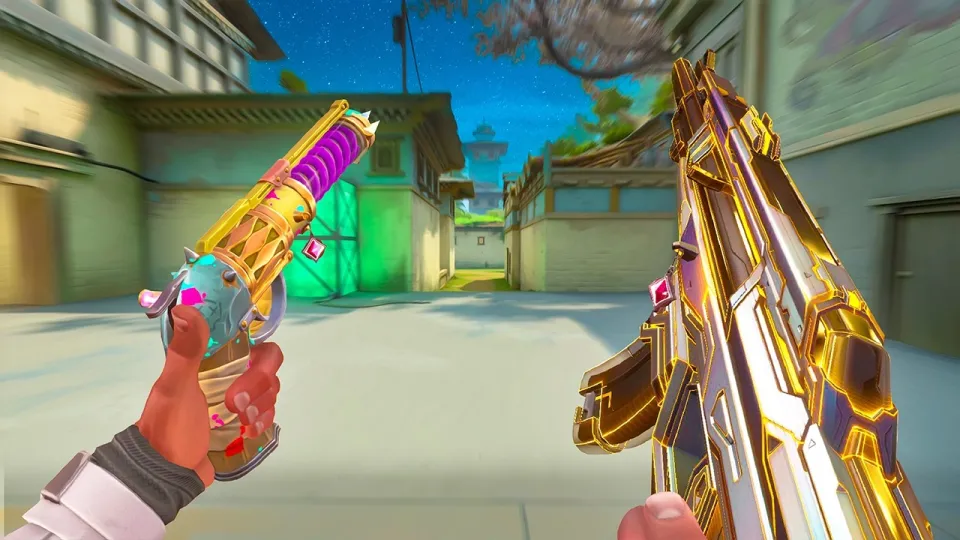
Video: low cortisol aim..
Want articles like this for your own video to promote it on YouTube and Google? Order them through the Telegram bot @sat_sit_bot. It writes articles around your video, embeds the video and publishes them on popular niche websites (no ads). Your first 50 articles are free.
· based on the channel Rawzu
Key takeaways
- Low cortisol aim means relaxed, pre-aimed crosshair control instead of panic flicking or over-gripping the mouse.
- Rawzu runs 400 DPI at 0.625 sensitivity, 1440x1080 resolution, crosshair 1-6-2-2 and a Logitech G Pro X Superlight 2 on an Artisan Zero Soft.
- Phoenix combines Curveball, Blaze, Hot Hands and Run it Back to crowd enemies into predictable angles.
- A 360Hz Zowie XL2566K monitor does not replace a consistent warmup and stable frame times.
- The full raw aim and movement style is shown in Rawzu's low cortisol aim video on the Rawzu channel.
Low cortisol aim in Valorant is a relaxed, pre-aimed style of crosshair control where you stop panic flicking, loosen your grip and let crosshair placement do most of the work. The practical recipe is a stable sensitivity, a repeatable warmup and duelist utility that forces enemies into predictable angles. Rawzu's setup in the low cortisol aim video is a useful reference point, and you can optimize your PC for Valorant before copying any settings.
What low cortisol aim actually means in Valorant
Low cortisol aim is the opposite of adrenaline aim: the crosshair moves in short, deliberate corrections and the mouse hand stays loose even during a clutch. The term comes from the idea that a calm player makes fewer micro-errors than a hyped one, and it shows up in Valorant as head-height crosshair placement, wide peeks with a stop, and bursts instead of full sprays. Rawzu's clips lean on exactly this: slow-looking movement, then a fast one-tap when the enemy walks into the line. It is not a sensitivity trick, and no single DPI value produces it. The mechanical base is the same as any aim routine — consistent grip, stable frames, and a crosshair you can actually see against every Valorant map texture.
Rawzu's Valorant settings and peripherals
Rawzu's Valorant settings are a low-sensitivity, stretched-resolution setup built around a light mouse and a control pad. The numbers from the video description:
- Sensitivity: 400 DPI at 0.625 in-game (roughly 250 eDPI).
- Resolution: 1440x1080, a 4:3 stretched setup that widens player models.
- Crosshair: 1-6-2-2 (outline, thickness, gap and dot values in the standard Valorant crosshair code order).
- Mouse: Logitech G Pro X Superlight 2.
- Mousepad: Artisan Zero Soft, a control-oriented cloth pad.
- Monitor: Zowie XL2566K at 360Hz.
A 400 DPI / 0.625 combination means a full 360-degree turn takes a long arm sweep, which punishes wrist flicking and rewards arm aiming — the physical foundation of a calm aim style. The Artisan Zero Soft adds stopping friction, so the crosshair settles instead of sliding past the head. None of this is mandatory; it is one proven combination, not a magic formula.
How to build a calm aim routine before ranked
A calm aim routine is a short, repeatable block that ends with your hand feeling the same every session, not a two-hour grind. Ten to fifteen minutes is enough if the structure is right:
- Two to three minutes in the Range on stationary bots, one-tapping heads at close and mid distance without moving your wrist faster than necessary.
- Three to five minutes of strafe-and-stop drills: counter-strafe, stop, fire one bullet, reset.
- A Deathmatch or two with a rule — no spraying, no jumping, only pre-aimed angles.
- A final pass on tracking with the Vandal or Phantom at long range to check that your grip has not tightened.
The goal is to arrive in a competitive queue with a hand that is warm but not clenched. If your forearm is tense before the first round, the routine is too long or too fast.
Why Phoenix suits a low cortisol playstyle
Phoenix is an offensive duelist whose kit removes the two most stressful parts of an entry: getting blinded and getting traded instantly. Curveball flashes around corners, so you can clear an angle without exposing yourself first. Blaze creates a wall that blocks vision and damages anyone who walks through it, letting you take open ground on your own terms. Hot Hands adds a molotov that heals Phoenix when it burns him, and Run it Back gives a free second life if the entry goes wrong. For a calm aimer, that safety net matters: you can take the duel knowing a mistake costs a cooldown rather than the round. On a map like Icebox, Blaze covers long sightlines while Curveball forces defenders off common holds, which turns chaotic entries into predictable one-on-ones.
Common questions about calm aim and Rawzu's clips
The most frequent doubts around this style come from viewers comparing their own gameplay to edited highlight reels, and most of them have simple answers.
- "How is that enemy already there before me?" Off-angle timing and utility usage, not reaction speed. Phoenix's wall and flash buy the half-second that makes a peek look impossible to trade.
- "Why does the movement look so smooth?" Counter-strafing with short taps and stopping fully before firing. Smooth movement is a habit, not a setting.
- "Do I need a 360Hz monitor?" No. High refresh rate helps clarity, but crosshair placement and pre-aim decide most Valorant duels.
- "Why does the aim look slow in clips?" Because good aim is mostly preparation. The flick is the last 10 percent; the crosshair is already near the head.
A separate note on the audio: several moments in the video land as loud, sudden sounds, so headphone users may want to lower the volume before watching with speakers.
Useful links
- Optimize your PC for Valorant — the performance tuning link from the video.
- Rawzu's original music: https://open.spotify.com/artist/6DbATPR1PTNMx7U918bg1Q
- Rawzu's Discord community: https://discord.gg/axnFwyvxp3
- Second channel with extra uploads: https://www.youtube.com/@rawzuV2
Final thoughts
Low cortisol aim is a trainable habit: low eDPI, a control mousepad, a short warmup and a duelist who forgives one mistake. Rawzu's 400 DPI / 0.625 setup, 1440x1080 stretch and Phoenix utility usage show how the style looks in practice, and the Rawzu channel is the place to see the full movement and crosshair work rather than a single clip. Copy the structure, not the exact numbers, and adjust sensitivity until your arm does the turning. Before you queue, optimize your PC for Valorant so frame drops never break the calm.
Source: low cortisol aim.. · Markdown version
Questions & answers
What sensitivity does Rawzu use in Valorant?
Rawzu plays at 400 DPI with 0.625 in-game sensitivity, which works out to about 250 eDPI. He pairs it with a 1440x1080 stretched resolution and the crosshair 1-6-2-2. This is a low-sensitivity setup that favors arm aiming over wrist flicking.
Does low cortisol aim require an expensive mouse or a 360Hz monitor?
No. A light mouse and a high refresh monitor like the Zowie XL2566K improve consistency and clarity, but crosshair placement and pre-aim decide most duels. A control mousepad such as the Artisan Zero Soft is a cheaper upgrade that directly supports a calm aim style.
How long should a warmup be for calm aim?
Ten to fifteen minutes is enough: a few minutes of one-taps on stationary bots, a strafe-and-stop drill, and one Deathmatch played with pre-aimed angles only. The routine should leave your hand warm but not tense before you enter a competitive queue.
Why is Phoenix a good pick for this playstyle?
Phoenix's Curveball and Blaze let you clear angles and take space without exposing yourself to multiple defenders at once. Hot Hands heals him, and Run it Back provides a second life if an entry fails. That safety net makes aggressive duels feel lower risk, which keeps your aim relaxed.